


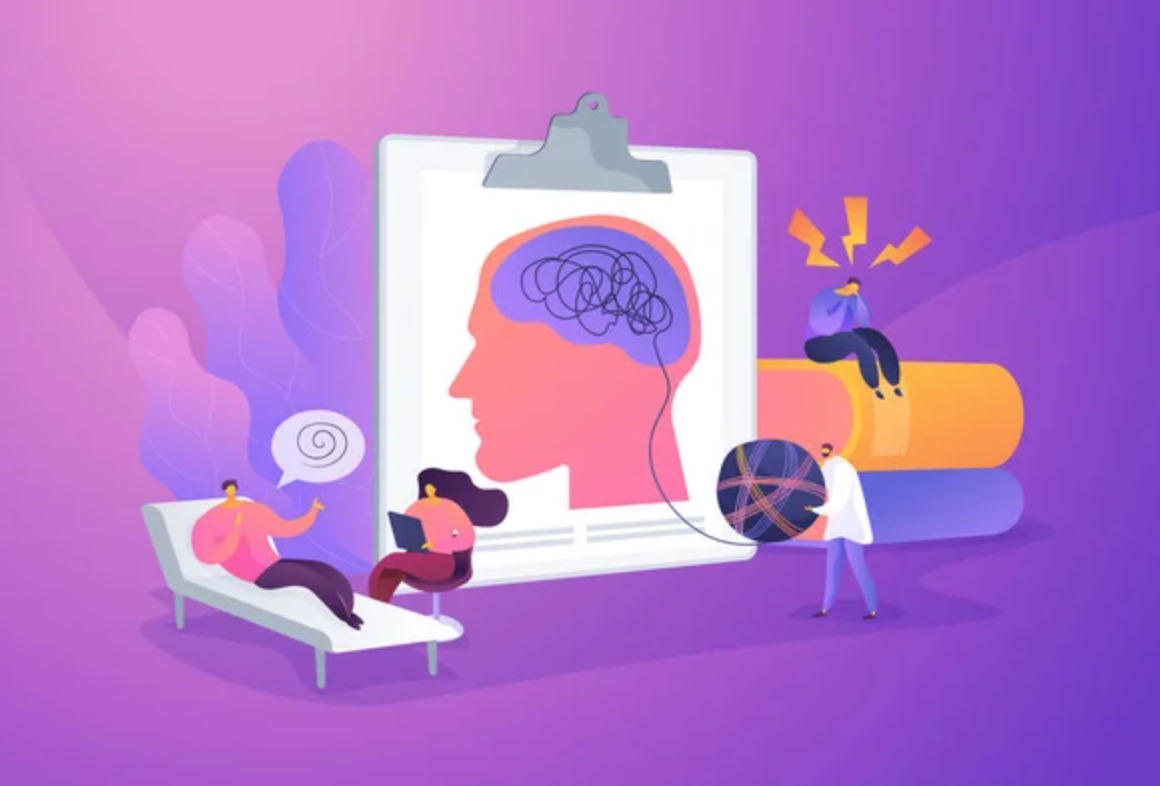




AI in mental health refers to the use of artificial intelligence technologies to support emotional well-being, psychological care, and mental health management. AI-powered tools such as chatbots, virtual therapists, and data-driven platforms help individuals monitor their mood, manage stress, practice therapeutic techniques, and access mental health support anytime and anywhere.
By analyzing user inputs, behavioral patterns, and emotional cues, AI systems can provide personalized coping strategies, guided exercises (like CBT or mindfulness), early risk detection, and real-time emotional support. These tools are designed to complement not replace human therapists, improving accessibility, affordability, and continuity of care.
Therapist AI refers to an artificial intelligence powered virtual assistant designed to provide emotional support, mental health guidance, and evidence-based therapeutic techniques through conversation. Using natural language processing and psychological frameworks such as Cognitive Behavioral Therapy (CBT) and mindfulness practices, Therapist AI helps users reflect on their thoughts, manage stress, regulate emotions, and develop healthier coping habits.
Available 24/7, Therapist AI offers immediate, confidential support, making mental health resources more accessible and affordable. While it does not replace licensed human therapists, Therapist AI serves as a supportive companion that complements traditional therapy, encourages self-awareness, and helps individuals take proactive steps toward improved mental well-being.